
Gynecologic Surgery
Surgical Labiaplasty in Laramie
A gynecologic surgical procedure to reshape or reduce labial tissue, performed by Dr. Travis Klingler.
Patients raise this topic for many different reasons — physical discomfort, irritation with activity, changes after childbirth, or simply wanting to discuss the appearance of the tissue. Depending on the individual case, the procedure may be performed in the office or at the hospital. Consultation always comes first.
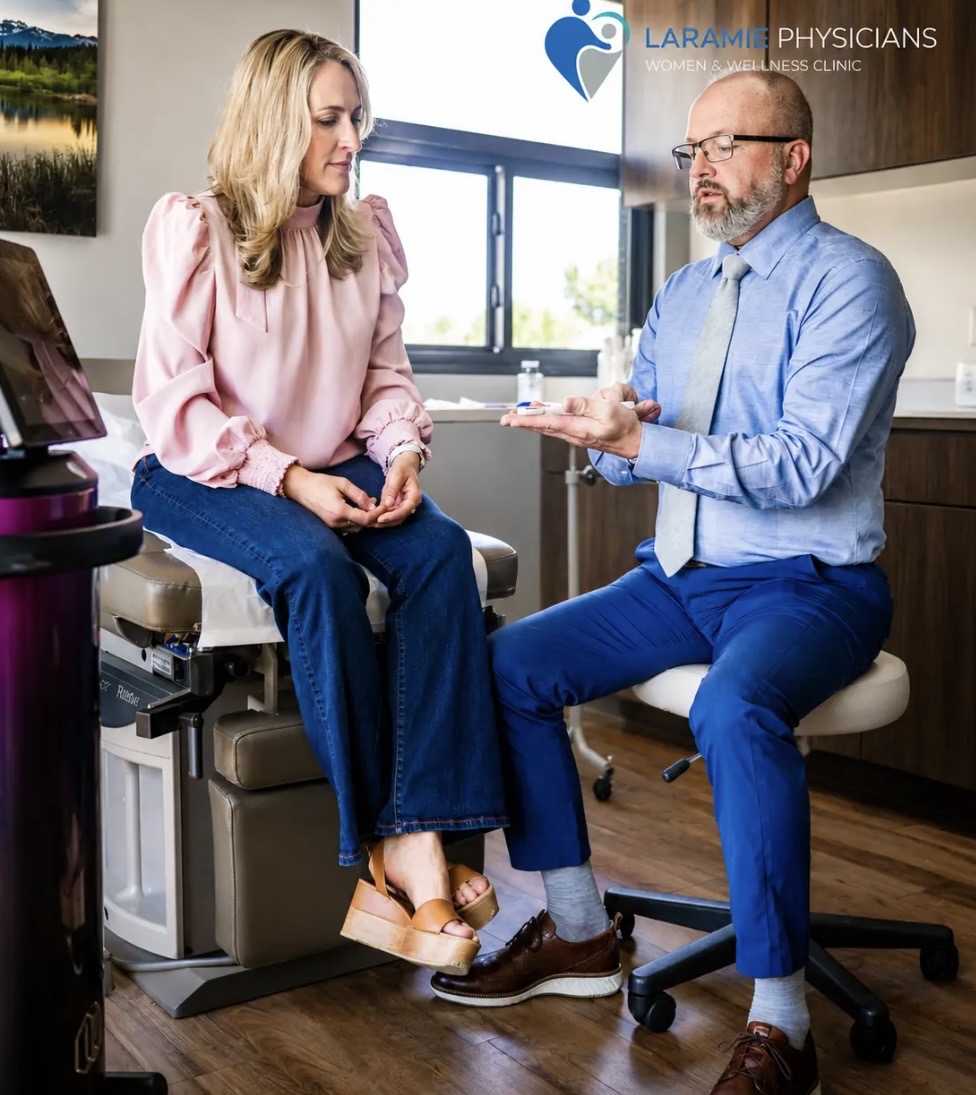
- Performed by
- Dr. Travis Klingler, MD, FACOG
- Setting
- Office or hospital, case by case
- Type
- Surgical gynecologic procedure
- First step
- Consultation and exam
01Understand
Reasons patients bring this up
These are the concerns patients most often describe. Whether surgery is the right answer for yours is a consultation question — not a website answer.
- Discomfort or chafing with clothing, exercise, cycling or other activity
- Irritation, pinching or pulling during intimacy
- Difficulty with hygiene or persistent irritation
- Tissue changes related to childbirth, aging or hormonal change
- Asymmetry or size of the labial tissue that a patient wishes to discuss
02Why here
A surgical decision, made carefully

01A gynecologic surgeon, not a med spa
Surgical labiaplasty at LPWWC is performed by Dr. Travis Klingler, a board-certified obstetrician-gynecologist. The conversation happens inside a women's health practice, with the same exam, history and follow-up you would expect from any gynecologic procedure.
02Office or hospital, decided clinically
Depending on the individual case, the procedure may be performed in the office or at the hospital. That decision is made with you during consultation, based on anatomy, the extent of the procedure, anesthesia needs and your health history.
03Surgery is never assumed
Some concerns are better addressed non-surgically, and some are better left alone. Consultation determines whether surgical labiaplasty is appropriate for you — and if it is not, the team will say so.
03Your path
What to expect
From first conversation to follow-up, here is how surgical labiaplasty care typically unfolds at the clinic.
- Step 01
Consultation and exam
You meet with Dr. Klingler to describe what you are experiencing. He reviews your history, examines the area and explains whether surgical labiaplasty is an appropriate option for your situation.
- Step 02
Planning the procedure
If you decide to move forward, the surgical plan, the setting (office or hospital), anesthesia and preparation instructions are discussed and confirmed with you in advance.
- Step 03
The procedure
Surgical labiaplasty reshapes or reduces labial tissue. The specifics of your procedure are individual and are reviewed with you beforehand, so you know what is planned before the day arrives.
- Step 04
Recovery and follow-up
You receive written aftercare instructions and scheduled follow-up with the practice. Activity guidance is individual and is given by your surgeon rather than predicted online.
04Results
Before & after
Photographs are shared with the patient's permission. Results are individual and are not a promise of outcome.
Approved before-and-after photographs for surgical labiaplasty are reviewed privately with you during consultation, rather than published on this page.
Request a consultation05Questions
Questions patients ask
For anything specific to your health, call (307) 745-8991 and talk with the care team.
What is surgical labiaplasty?
Surgical labiaplasty is a gynecologic procedure that reshapes or reduces labial tissue. It is a true surgical procedure, distinct from non-surgical radiofrequency treatments such as Aviva, Forma V or Morpheus V.
Who performs the procedure at LPWWC?
Dr. Travis Klingler, MD, FACOG, performs surgical labiaplasty at Laramie Physicians Women & Wellness Clinic.
Is it done in the office or at the hospital?
Either is possible. Depending on the individual case and the clinical determination made at consultation, the procedure may be performed in the office or at the hospital.
Do I need a consultation first?
Yes. A consultation is required to determine whether surgical labiaplasty is appropriate for you. Reasons for considering the procedure vary widely, and some concerns are addressed better in other ways.
How is this different from non-surgical labiaplasty?
Non-surgical labiaplasty at the clinic uses radiofrequency energy (the Aviva treatment) rather than surgical reshaping. Which one — if either — fits your anatomy and goals is a consultation question.
Learn more
Independent patient education.
General health education from independent medical organizations. It is not medical advice, a diagnosis, or a description of care at this clinic. Talk with a clinician about your own situation.
Pelvic floor and pelvic support
Pelvic floor concerns such as leakage, pressure, or discomfort are common and treatable. Published patient education covers conservative options as well as when to ask about further evaluation.
06Related care
Explore related care
Next step
Considering surgical labiaplasty?
Request a consultation and Dr. Klingler will help you decide whether the procedure is appropriate for you.