
Cosmetic injectables · Laramie, Wyoming
Botox & Dermal Fillers in Laramie, WY
Explore personalized cosmetic injectable treatments designed to soften expression lines, address selected facial volume concerns, and support your aesthetic goals through individualized medical care.
Compare Botox & Fillers- Physician-led team
- Laramie Physicians Women & Wellness Clinic
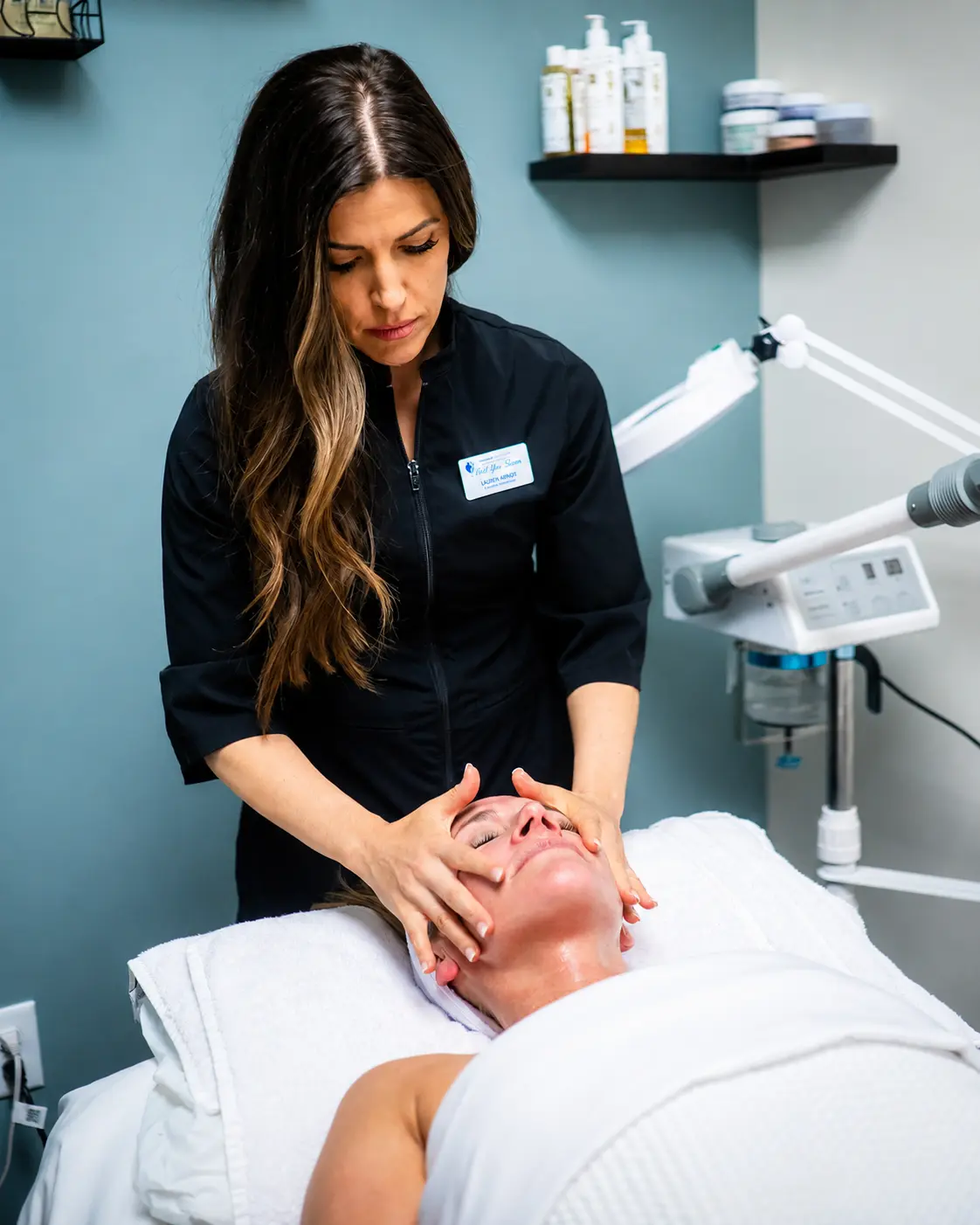
Actual LPWWC Staff Member
At a glance
Explore Your Injectable Options
Compare popular wrinkle relaxers and dermal fillers, understand their differences, and explore which treatment options may be worth discussing with your provider.
What wrinkle relaxers are there?
Wrinkle relaxers (neuromodulators) are botulinum toxin type A injections that temporarily relax targeted muscles, softening expression lines such as frown lines, forehead lines and crow’s feet.
Wrinkle relaxer
Available at LPWWCBotox
Botulinum toxin type A (onabotulinumtoxinA)
Temporarily softens selected expression lines and wrinkles.
- Results
- About 3–5 days
- Typical duration
- About 3–4 months
- Key distinction
- Established wrinkle relaxer with extensive clinical experience.
- LPWWC availability
- Available at LPWWC
Wrinkle relaxer
Available at LPWWCXeomin
Botulinum toxin type A (incobotulinumtoxinA)
Temporarily improves upper facial expression lines within its approved indications.
- Results
- About 3–4 days
- Typical duration
- About 3–4 months
- Key distinction
- Formulated without complexing proteins.
- LPWWC availability
- Available at LPWWC
Wrinkle relaxer
Available at LPWWCDaxxify
Botulinum toxin type A (daxibotulinumtoxinA-lanm), peptide-formulated
Temporarily improves moderate to severe frown lines.
- Results
- Often within several days
- Typical duration
- Median about six months in pivotal studies, depending on the measured endpoint
- Key distinction
- Peptide-formulated neuromodulator with potentially longer-lasting results.
- LPWWC availability
- Available at LPWWC
Wrinkle relaxer
Educational Comparison OnlyDysport
Botulinum toxin type A (abobotulinumtoxinA)
Temporarily improves moderate to severe frown lines.
- Results
- Often about 2–3 days
- Typical duration
- About 3–4 months, sometimes longer
- Key distinction
- May begin working relatively quickly in some patients.
- LPWWC availability
- Educational Comparison Only
Wrinkle relaxer
Educational Comparison OnlyJeuveau
Botulinum toxin type A (prabotulinumtoxinA)
Temporarily improves moderate to severe frown lines.
- Results
- Often about 2–3 days
- Typical duration
- About 3–4 months
- Key distinction
- Developed specifically for aesthetic use.
- LPWWC availability
- Educational Comparison Only
3 of 3 selected for comparison
Compare wrinkle relaxers side by side
| Attribute | BotoxWrinkle relaxer | XeominWrinkle relaxer | DaxxifyWrinkle relaxer |
|---|---|---|---|
| LPWWC availability | Available at LPWWC | Available at LPWWC | Available at LPWWC |
| Formulation | Botulinum toxin type A (onabotulinumtoxinA) | Botulinum toxin type A (incobotulinumtoxinA) | Botulinum toxin type A (daxibotulinumtoxinA-lanm), peptide-formulated |
| FDA-approved cosmetic indications | Glabellar (frown) lines, lateral canthal lines (crow’s feet), forehead lines and platysma (neck) bands | Upper facial lines: glabellar (frown) lines, forehead lines and lateral canthal lines | Moderate to severe glabellar (frown) lines |
| Typical onset | About 3–5 days | About 3–4 days | Often within several days |
| Full results | About 10–14 days | About 1–2 weeks | About two weeks |
| Typical duration | About 3–4 months | About 3–4 months | Median about six months in pivotal studies, depending on the measured endpoint |
| Distinguishing characteristics | Established wrinkle relaxer with extensive clinical experience. | Formulated without complexing proteins. | Peptide-formulated neuromodulator with potentially longer-lasting results. |
| Treatment considerations | Dosing and placement are individualized; temporary bruising, headache or eyelid/brow drooping can occur. | Dosing and placement are individualized; temporary bruising, headache or eyelid/brow drooping can occur. | Dosing and placement are individualized; temporary bruising, headache or eyelid/brow drooping can occur. |
| Pricing | Individualized at consultation | Individualized at consultation | Individualized at consultation |
Wrinkle relaxer dosing units are not interchangeable between brands. Onset, duration, and individual results vary. Treatment selection and dosing require qualified clinical evaluation.
Typical ranges from product labeling and published studies; individual results vary. LPWWC currently offers Botox, Xeomin and Daxxify; Dysport and Jeuveau are shown for comparison only. Dermal filler brand availability is confirmed at consultation.
Not Sure Which Injectable Is Right for You?
Explore your options with the LPWWC team and learn which treatments may be appropriate for your individual goals.
Botox vs. fillers
What is the difference between Botox and dermal fillers?
Botox relaxes the muscles behind expression lines; dermal fillers add volume and support contour. Choose one to see what to expect.
Botox
A neuromodulator that temporarily relaxes targeted muscles so the skin above them creases less.
- Primary purpose
- Soften selected expression lines, such as forehead lines, frown lines and crow’s feet.
- When results appear
- Develop gradually over several days.
- Full effect
- Generally around one to two weeks after treatment.
- Typical duration
- Approximately three to four months, varying with muscle activity and metabolism.
- Recovery
- Usually minimal downtime; temporary redness, tenderness, bruising or headache are possible.
- Typical appointment
- About 15–30 minutes
- Incisions or anesthesia
- None required
- Back to routine
- Usually right away
- Care team
- Physician-led, in Laramie
Explore by concern
Which concerns can Botox and fillers address?
Concerns commonly discussed at LPWWC injectable consultations. Your provider confirms the right approach for your anatomy.
Subscription programs
More Ways to Look and Feel Your Best
Explore LPWWC’s ongoing treatment programs designed to make personalized aesthetic and wellness care more accessible.
 AI-Generated Image
RENEW Facial Rejuvenation
- Morpheus8 RF microneedling and IPL photofacial options
- Annual program planned around six treatments
- Pairs naturally with injectable care for skin texture and tone
From $99/month
With a $899 enrollment payment; other payment options available.
Explore ProgramCosmetic injectables in Laramie, WY
Botox and Dermal Fillers, Explained
Both are physician-supervised, in-office injectable treatments with no incisions or anesthesia. They work differently, and many patients combine them in one individualized plan.
Botox
Relax the lines that come from expression
Botox temporarily relaxes targeted muscles by blocking the nerve signals that cause contraction, so the skin above stays smoother while your face still moves naturally. Small, strategic doses can also be used preventatively.
- Forehead wrinkles
- Glabellar (“11”) lines between the brows
- Crow’s feet
- Lip lines
- Neck bands
Dermal fillers
Restore volume and support structure
Dermal fillers restore volume, soften lines and support facial structure as skin changes with age. Your provider maps your facial structure and also identifies where filler should not be placed.
- Loss of cheek volume
- Thin lips
- Chin creases
- Marionette lines
- Under-eye wrinkles
- Undefined contours and asymmetry
Compare
Botox vs. Fillers
A general comparison. Your provider will recommend what fits your anatomy and goals.
- How it works
- Botox: Temporarily relaxes targeted muscles by blocking the nerve signals that cause contraction.
- Fillers: Adds volume to specific facial zones to restore fullness, soften lines and support structure.
- Best suited to
- Botox: Dynamic lines from repeated expressions, such as forehead lines and crow’s feet.
- Fillers: Volume loss and contour — cheeks, lips, chin and lines around the mouth.
- When results appear
- Botox: Gradually, within a few days; full effect in about 1 to 2 weeks.
- Fillers: Immediately after treatment, with mild swelling settling over a few days.
- How long results last
- Botox: Commonly about 3 to 4 months, varying with muscle activity and metabolism.
- Fillers: Many hyaluronic acid fillers last about 6 to 18 months, depending on product and area.
- Appointment
- Botox: Usually under 30 minutes, with no incisions or anesthesia.
- Fillers: A short in-office visit, with no incisions or anesthesia.
- Recovery
- Botox: Usually minimal downtime; temporary redness, tenderness, bruising or headache are possible.
- Fillers: Varies by area; temporary swelling, tenderness and bruising are possible.
- Important risks
- Botox: Eyelid or brow drooping can occur; the label warns of rare distant spread of toxin effect.
- Fillers: Rare but serious vascular occlusion (blocked blood vessel) needs urgent attention.
- Maintenance
- Botox: Repeat treatment is typically considered every few months as effects fade.
- Fillers: Touch-ups are timed to the product and area; your provider explains the range.
- Pricing structure
- Botox: Commonly planned by the number of units; individualized at consultation.
- Fillers: Based on the product and amount used; individualized at consultation.
- Can they be combined?
- Botox: Yes — often paired with filler for more comprehensive care.
- Fillers: Yes — often paired with Botox to address lines and volume together.
Medical Botox
Botox beyond cosmetics
Botox was first developed for medical use. At LPWWC, Dr. Klingler uses it therapeutically as well as cosmetically, with a private consultation to review your symptoms, history and prior treatment before any plan is made. Results build over the following days, and maintenance is typically every 3 to 6 months.
Whether medical Botox is appropriate is a clinical decision made at your visit. Coverage, dosing and alternatives — such as pelvic floor therapy or physical therapy — are discussed individually.
Concerns discussed on our medical Botox consultations
- Chronic migraine (prevention in adults)FDA-labeled use of BOTOX
- Severe underarm sweating (axillary hyperhidrosis)FDA-labeled use of BOTOX
- Overactive bladderFDA-labeled use of BOTOX
- Muscle spasms and facial twitchingCertain forms, such as eyelid spasm (blepharospasm) and cervical dystonia, are FDA-labeled uses.
- TMJ disorders and jaw painNot a specific FDA-labeled indication; considered case by case
- Pelvic floor dysfunctionNot a specific FDA-labeled indication; considered case by case
Not Sure Which Treatment Is Right for You?
Answer seven quick questions for an educational summary to bring to your visit.
Find My Treatment
Explore which injectable topics fit your goals
Seven quick questions build an educational summary to bring to your consultation. It is not a diagnosis and does not determine whether a treatment is right for you.
Your answers stay on this page and are not sent anywhere unless you choose to request a call-back.
Your treatment journey
What to expect, from consultation to follow-up
- Step 1
Consultation
Discuss your goals, medical history, medications and expectations. Your provider reviews which options — including no treatment — fit your anatomy.
- Step 2
Personalized treatment
Your physician-led team maps the treatment areas, explains comfort measures and injects with intention. Most visits take about 15 to 30 minutes.
- Step 3
Results & follow-up
Learn the expected timeline for your treatment, aftercare steps, side effects to watch for and when maintenance is usually considered.

Expertise meets authenticity
Physician-led injectable care in Laramie
When it comes to injectables, expertise matters. Laramie Physicians Women & Wellness Clinic is led by Dr. Travis Klingler, MD, FACOG, with a care team that plans every treatment around your anatomy and goals.
Backed by Science & Personalized
At LPWWC, we only offer formulas that deliver meaningful results. Our physician-led team has spent years mastering the techniques we tailor to your anatomy.
More Confidence, Less Downtime
Requiring no incisions or anesthesia, each treatment takes about 15 minutes, and most patients return to their routine right away.
Subtle Changes, Powerful Impact
Our licensed professionals inject with intention, smoothing wrinkles and restoring balance to enhance—not overpower—your natural beauty.
Safety, pricing & expectations
Is Botox or filler safe, and how is it priced?
Both are generally well tolerated when performed by trained medical professionals, but every treatment carries risks. Your provider reviews candidacy, risks and individualized pricing before any decision.
Common side effects
Temporary redness, swelling, tenderness or bruising at injection sites. Botox may also cause headache; fillers may cause temporary lumps or firmness.
Important Botox risks
Botox labeling includes a boxed warning about distant spread of toxin effect. Seek care promptly for trouble swallowing, speaking or breathing, or for new muscle weakness. Eyelid or brow drooping can occur.
Serious filler complications
Rarely, filler can block a blood vessel (vascular occlusion), which may cause skin injury or, very rarely, vision changes. Severe or increasing pain, skin blanching or color change, or any vision change after treatment needs urgent attention.
Who should wait
Treatment is generally deferred during pregnancy or breastfeeding, with active skin infection at the site, or with certain neuromuscular conditions or allergies. Your provider reviews your history individually.
Preparing for your visit
Share your full medication and supplement list, prior injectables and any history of cold sores. Ask your provider whether anything should be paused before treatment.
Pricing structure
Botox is commonly planned by the number of units needed; fillers by the product and amount used. Your provider gives individualized pricing at consultation — no online price is quoted for injectables.
General education only; it does not replace an individual clinical assessment. Seek emergency care for trouble breathing, swallowing or speaking, or sudden vision changes.
YOUR QUESTIONS, ANSWERED
Botox & Fillers Questions, Answered
Explore how Botox and dermal fillers differ, what to expect, and the safety questions to discuss at your consultation. General education does not replace an individual clinical assessment.
Popular questions
102 questions · 13 topics
Getting Started
Laramie Physicians Women & Wellness Clinic provides consultations for cosmetic Botox and dermal fillers in Laramie. Start with an appointment request to discuss your goals, medical history and whether an injectable treatment is appropriate for you; requesting a visit does not guarantee treatment.
Yes. The clinic’s existing Botox & Fillers service includes cosmetic injectable consultations and individualized treatment planning. The exact product, treatment area and proposed amount should be confirmed with your clinician rather than assumed from general descriptions on this page.
Yes. LPWWC’s existing process begins with an in-person consultation, a discussion of your goals, examination of your skin and review of your medical history. The clinician explains suitable options, risks and pricing before you decide whether to proceed.
Women and men can discuss cosmetic injectable concerns with the clinic. Treatment planning depends on individual anatomy, goals and medical assessment, not gender alone. Your clinician determines whether a specific product and treatment area are appropriate.
Choose a licensed healthcare professional with relevant injection training, knowledge of facial anatomy and experience recognizing and managing complications. Ask who will perform the procedure, which product will be used, how its approval relates to the proposed area, and how urgent concerns are handled.
Yes. Use the existing Request an Appointment link to send an appointment request to LPWWC. It is a request, not a confirmed booking or treatment approval; the clinic’s usual follow-up process remains the next step.
Laramie Physicians Women & Wellness Clinic is located at 1277 N 15th St, Laramie, WY 82072. Contact the clinic at (307) 745-8991 or use the existing appointment request to discuss a visit. Laramie is the clinic’s physical location; regional service pages do not establish additional clinic offices.
Understanding Botox
BOTOX Cosmetic is a prescription medicine containing onabotulinumtoxinA. In adults, FDA-labeled cosmetic uses include temporary improvement of moderate-to-severe frown lines, crow’s feet, forehead lines and certain platysma neck bands. Other brands and proposed areas have their own labeling; an approved indication does not establish availability at LPWWC.
Botox temporarily reduces the release of a nerve signal that activates the injected muscle. Reducing selected muscle contractions can soften associated expression lines. It does not add facial volume or treat every cause of a wrinkle, and its effects gradually wear off.
Botox primarily addresses lines related to movement of specific muscles. BOTOX Cosmetic’s labeled areas include frown lines between the eyebrows, crow’s feet, forehead lines and platysma bands in adults. Suitability, dose and any proposed off-label area require individual clinical discussion.
Dynamic wrinkles are lines that become more noticeable when you make an expression, such as smiling, squinting or raising your eyebrows. Lines that remain when the face is relaxed also reflect skin changes and other factors; relaxing a muscle may not fully correct those resting lines.
Sometimes, but results depend on the cause and depth of the line. Reducing repeated muscle movement may soften a line’s appearance, while sun damage, volume loss and deeply established creases may require a different approach. Botox cannot guarantee elimination of a resting wrinkle.
Botox reduces selected muscle contractions; dermal fillers add volume or support beneath the skin. These different mechanisms address different concerns. An assessment helps distinguish movement-related lines from volume loss, and combining treatments is an option only when individually appropriate.
No. Cosmetic Botox effects are temporary, and muscle activity gradually returns as the effect wears off. Repeated treatment is optional, not a permanent commitment. The duration of a particular result varies with the treated area, dose and individual response.
Reducing muscle movement may reduce repeated folding of treated skin while the medicine is active, but Botox does not prevent aging or guarantee that permanent lines will never develop. Preventative treatment is not a separate FDA-labeled indication, and its trade-offs deserve an individualized discussion.
Botox Treatment Areas
Yes, BOTOX Cosmetic has an FDA-labeled use for moderate-to-severe forehead lines in adults. The labeling treats forehead lines together with glabellar frown lines to reduce the potential for brow drooping. Your clinician assesses muscle balance and anatomy before proposing treatment.
Yes. Temporary improvement of moderate-to-severe glabellar lines—the frown lines between the eyebrows—is an FDA-labeled cosmetic use in adults. The clinician evaluates the muscles and your medical history; improvement and duration cannot be guaranteed.
Yes. Moderate-to-severe lateral canthal lines, commonly called crow’s feet, are an FDA-labeled cosmetic indication in adults. Careful placement matters because the muscles surrounding the eyes also affect facial expression and eyelid function.
BOTOX Cosmetic is FDA-labeled for temporary improvement of moderate-to-severe platysma bands associated with platysma muscle activity in adults. This is not a treatment for every form of neck aging or loose skin. Ask whether your concern and the proposed treatment fit that indication and the clinic’s services.
A lip flip uses small amounts of botulinum toxin near the upper lip to change how the lip moves and appears. It does not add volume like filler and is off-label for BOTOX Cosmetic. Potential effects on drinking, speech and lip movement should be discussed; availability at LPWWC is not established here.
Botulinum toxin is sometimes used off-label to reduce elevation of the upper lip when smiling. Causes of a gummy smile vary, and dental or other approaches may be more suitable. Discuss the evidence, temporary effects, risks and local availability before considering it.
Sometimes a proposed treatment targets particular muscles, but it does not replace lost volume, remove fat or correct every jawline concern. Masseter injections for cosmetic jaw slimming are off-label for BOTOX Cosmetic; labeled platysma-band treatment is a different use. Neither description establishes that LPWWC offers it.
Botulinum toxin is sometimes used off-label for selected movement-related lines around the mouth. This area requires particular care because treatment can affect smiling, speaking or drinking. Skin texture and volume-related lines may need other approaches; discuss suitability rather than assuming treatment is available.
Botox is generally not the primary approach to nasolabial folds, the creases running from the nose toward the mouth. These folds often involve facial structure and volume rather than simply one overactive muscle. Fillers or other options may be discussed after assessment; not every product or injection site is FDA-approved.
Results & Longevity
Botox usually begins to show an effect over the first few days, rather than immediately. The effect continues to develop, and assessment is commonly made around two weeks. Timing varies, so follow your injector’s review instructions rather than requesting extra treatment before the result has developed.
Cosmetic effects commonly last about three to four months, according to American Academy of Dermatology patient guidance, although individual duration varies. The treated area, dose and your response can affect the interval. This is a general estimate, not a guaranteed LPWWC treatment outcome.
Not from Botox’s muscle-relaxing effect: it develops gradually. Filler may produce an immediate change in volume, but early swelling can make that appearance different from the settled result. Ask when your specific treatment should be assessed and when follow-up is appropriate.
A natural-looking result is a treatment goal, not a guarantee. The amount used, placement, anatomy and desired degree of movement all influence expression. Explain which expressions you want to preserve and discuss the possibility of unwanted weakness, asymmetry or drooping before treatment.
Many patients retain natural expression after carefully planned treatment, but the effect depends on which muscles are treated. Injections near the mouth can affect smiling and other functions. Tell your clinician that preserving your smile matters and ask about the proposed area’s specific risks.
Muscle activity gradually returns toward its pretreatment pattern as the medicine’s effect fades. Movement-related lines may become noticeable again, and normal aging continues. You can choose whether to discuss another treatment; stopping does not require a taper or a commitment to continued cosmetic injections.
The interval should be determined with your clinician according to the product labeling, response and treated area. BOTOX Cosmetic labeling notes that safety and effectiveness of dosing more often than every three months have not been clinically evaluated. Do not arrange early repeat injections simply because a result seems incomplete.
Anatomy, muscle strength, the concern being treated, dose, placement and individual response can all influence results. Previous treatment and expectations also matter. Another person’s photographs or dose are not a reliable prediction of your own outcome or an appropriate basis for selecting units.
Pricing & Cost
Your Botox price depends on the proposed product, amount and treatment areas. This page does not list a verified LPWWC per-unit rate or a fixed treatment price. Ask the clinic for an individualized quote and confirmation of any separate consultation or follow-up charges before proceeding.
Practices may price botulinum toxin by unit, by area or through another clearly explained plan. LPWWC’s current billing method should be confirmed directly with the clinic. Units are specific to each toxin product and must not be treated as interchangeable across brands.
The appropriate amount depends on the exact product, area, muscle activity and clinical assessment. A number from an advertisement or a friend’s treatment is not a dose recommendation for you. Your injector should explain the proposed plan and price; this FAQ does not provide a self-selected dosing guide.
Yes. Product labeling, treatment area, anatomy and the desired clinical effect inform the proposed dose. More units do not automatically mean a better result, and amounts cannot be converted between brands by assuming equal unit strength. Dosing is a clinician’s decision, not a price-comparison calculation.
Cosmetic Botox is generally an out-of-pocket expense rather than an insurance-covered benefit. Coverage of medically indicated botulinum toxin follows different diagnosis and insurer requirements. Confirm your own benefits and the clinic’s billing arrangements; no insurance acceptance or coverage is promised here.
Ask LPWWC which payment or financing options, if any, currently apply to your specific injectable plan. Existing website references do not establish approval, eligibility or current terms for a particular treatment. Review any fees, interest, repayment schedule and lender requirements before accepting financing.
That depends on the clinic’s current terms and your treatment plan. Ask whether the quote includes the consultation, treatment, review visit and any additional injection or correction. No consultation fee, free follow-up or bundled charge is assumed in this FAQ.
Filler pricing depends on the exact product, amount proposed, treatment area and complexity of the plan. A syringe price alone may not explain the total cost or follow-up arrangements. Request a written explanation before treatment; this page does not invent a filler brand, syringe price or package.
Safety & Eligibility
Botox has known benefits and risks; no injection is risk-free. Appropriate patient assessment, a genuine prescription product and a qualified injector are important safeguards. FDA labeling includes a boxed warning about distant spread of toxin effect, so review both common effects and serious warning signs before deciding.
Possible effects include injection-site discomfort, bruising, swelling and headache; unwanted eyelid or brow drooping can occur with certain facial treatments. The pattern and frequency vary by treatment area. Ask for the exact product’s patient information and contact your clinician about symptoms that concern you.
Yes. Temporary eyelid or brow drooping is a recognized potential adverse effect of cosmetic botulinum toxin treatment. Placement, anatomy and muscle effects matter. Contact your injector for assessment if it occurs; do not try to correct it with extra injections or unprescribed eye medication.
Yes. FDA boxed warnings describe possible spread of toxin effects, with symptoms occurring hours to weeks after injection. Difficulty breathing, swallowing or speaking, marked generalized weakness or concerning vision changes require immediate medical help. Breathing and swallowing complications can be life-threatening; do not wait for a routine appointment.
BOTOX Cosmetic is contraindicated in people with a known hypersensitivity to a botulinum toxin preparation or its components, and when there is infection at a proposed injection site. Other medical conditions and medications can require additional caution or postponement. A full clinical assessment is necessary; this list is not an eligibility checklist.
Cosmetic Botox should be postponed during pregnancy while you discuss the situation with your treating clinician. Adequate human data are lacking, and elective cosmetic treatment is not essential care. This safety information does not mean LPWWC provides pregnancy or prenatal care; contact your pregnancy-care clinician for that care.
Discuss breastfeeding before considering cosmetic Botox. FDA labeling does not establish its presence in human milk or effects on a breastfed infant, and an elective treatment may be deferred. Make the decision with an appropriate clinician rather than interpreting a lack of data as proof of safety.
Conditions affecting nerves or muscle transmission, including myasthenia gravis and Lambert–Eaton syndrome, can increase the risk of clinically significant weakness or swallowing and breathing problems. Tell the clinician about any such diagnosis or unexplained weakness. Cosmetic treatment should not proceed without an informed medical assessment.
Yes. Certain antibiotics such as aminoglycosides, medicines affecting neuromuscular transmission, muscle relaxants and other drugs can change the risk or effect. Tell your clinician about all prescriptions, nonprescription medicines, supplements and recent toxin injections. Do not stop or adjust prescribed treatment on your own.
Yes. Serious hypersensitivity reactions have been reported with botulinum toxin products, and filler products also carry allergy risks depending on their ingredients. Tell your injector about prior reactions. Trouble breathing, facial or throat swelling, or other signs of a severe allergic reaction require emergency medical care.
Botox is not considered chemically addictive. Some people choose repeat treatment because they prefer the appearance while it is active, but ongoing cosmetic treatment is optional. If appearance concerns or repeated procedures are causing distress, discuss that openly before pursuing further treatment.
Preparation
LPWWC’s existing consultation process includes discussing your goals, examining your skin and reviewing your medical history. Bring details of previous injections, allergies, medicines and relevant conditions. Ask about the product, proposed areas, alternatives, expected course, total price and how to obtain follow-up help.
The clinic’s existing page describes injectable treatment time as approximately 15 to 30 minutes. A first consultation, additional treatment areas or observation may take longer. Confirm the expected appointment length with the clinic; that estimate is not a promise of availability or total visit duration.
Injections may cause a brief pinch or discomfort; pain varies by person and treatment area. Some filler products contain a local anesthetic, and comfort measures depend on the proposed product and plan. Discuss needle anxiety, previous reactions and available comfort options without assuming treatment will be painless.
Do not stop prescribed medicines—including aspirin, anticoagulants or other blood-thinning treatment—without guidance from the clinician who manages them. Give your injector a complete medication and supplement list. Bruising risk and medication interactions should be reviewed individually; this FAQ does not authorize changing a prescription.
Alcohol may contribute to bruising or interfere with informed consent when someone is intoxicated. Ask your injector for the clinic’s preparation instructions and attend the visit sober. An exact avoidance interval is not established here, and it should not replace individual medical advice.
The injection area must be appropriately cleaned before treatment. Ask whether the clinic prefers you to arrive without makeup and when it can be reapplied afterward. Avoid pressing or rubbing fresh injection sites, and follow the clinician’s product-specific skin-care instructions.
Reference photographs can help explain the look or degree of change you have in mind. They are a conversation aid, not a guarantee that another person’s features can be reproduced. Your anatomy and a realistic assessment should guide the plan rather than a photograph alone.
Aftercare & Recovery
Many people resume ordinary activities after cosmetic Botox, but bruising, swelling, headache or other side effects can occur. Minimal routine interruption is not the same as no risk or guaranteed absence of downtime. Follow the injector’s instructions and know which symptoms need prompt assessment.
Follow your injector’s instructions for the actual treatment you receive. Advice differs between Botox and fillers; ASPS filler guidance commonly recommends avoiding intense exercise for 24 to 48 hours to reduce swelling and bruising. This is not a universal FDA-mandated Botox exercise rule.
Ask your injector for individualized posture guidance. Exact rules such as remaining upright for four hours are not stated as a universal requirement in BOTOX Cosmetic’s FDA labeling. Do not treat a general online rule as a substitute for instructions for your own treatment.
Do not rub or massage Botox-treated areas unless the treating clinician explicitly directs you to do so. For fillers, massage advice varies by product and concern, so do not manipulate lumps or swelling on your own. Contact the injector first, particularly if there is pain, skin color change or a visual symptom.
Ask your clinician when and how to cleanse the treated area. Gentle cleansing without rubbing or applying pressure may be appropriate according to their instructions. Avoid introducing irritating products or manipulating fresh injection sites, and ask about makeup and skin-care timing as part of your aftercare plan.
Leave time for the treatment to develop and for possible bruising or swelling to settle. Botox is often assessed around two weeks, while filler recovery depends on the product and area. Discuss your event date well in advance; a last-minute injection cannot guarantee a settled appearance by a deadline.
Contact your injector and follow the recommended review timing. Botox can develop unevenly at first, and early filler swelling can distort symmetry, but a clinician should assess persistent or concerning changes. Severe or unusual pain, skin blanching or discoloration, visual changes, or stroke-like symptoms after filler need immediate medical care rather than routine review.
Follow the clinician’s written instructions for the exact injectable used. Avoid rubbing fresh sites or starting irritating skin products without advice, and discuss sun protection and gentle cleansing. Botox and filler aftercare are not identical; symptoms suggesting a serious complication require urgent care, not skincare or massage.
Dermal Fillers
Dermal fillers are injectable medical devices used to add volume or support in selected areas. Materials and approved uses differ by product. Many have temporary effects, but not every filler is temporary or reversible; ask which product is proposed and whether its FDA approval covers the intended area.
Hyaluronic acid fillers are gels that occupy space and bind water, helping add volume or soften selected folds. Their effects depend on the product, injection site and amount. Hyaluronic acid is one filler material, not a confirmation of which brands or formulations LPWWC currently uses.
Selected fillers can address particular folds, lip volume or facial volume loss according to their product-specific approval and clinical assessment. Approval is not universal across every area of the face. Ask about the proposed site’s risks and alternatives, especially in areas with higher vascular risk.
Duration varies substantially by material, product, area and individual response. FDA guidance notes that many fillers are temporary and repeat treatment may be needed; some materials have longer-lasting or permanent effects. Ask for the expected range of the exact product rather than applying one timeline to every filler.
A volume change may be visible immediately, but swelling and bruising can obscure the eventual appearance. The settled result and appropriate review timing depend on the product and area. Immediate change is not a guarantee of your final outcome, and some filler effects develop differently.
Swelling, bruising, redness, tenderness and temporary lumps can occur after filler, with intensity and duration varying by product and site. Ask which changes are expected and how to contact the injector. Unusual severe pain, pale or dusky skin, visual changes or neurological symptoms are not routine recovery and need immediate assessment.
Unintentional injection into a blood vessel can block blood flow and cause tissue injury or death, vision impairment or blindness, and stroke. These serious complications are uncommon but can be permanent; an experienced injector and a complication-response plan matter.
Unusual or severe pain, skin blanching or dusky discoloration, vision change, sudden weakness or difficulty speaking after filler require immediate medical assessment. For visual or stroke-like symptoms, call emergency services immediately and alert the injector; do not wait for a routine follow-up or try to massage the area.
A qualified clinician may use hyaluronidase to break down hyaluronic acid filler when appropriate. This does not guarantee complete removal, reversal of vascular injury or restoration of lost vision. Other filler materials are not reliably dissolvable, and removal may be difficult or impossible; confirm the exact product and emergency plan.
Suitability depends on the exact product labeling and a clinical assessment. Active infection or inflammation near the area, relevant allergies and certain medical histories can require postponement or avoidance. FDA guidance notes limited safety information in pregnancy and breastfeeding; elective treatment should be discussed and generally deferred rather than assumed safe.
Ask about the injector’s license and training, the exact product and sealed packaging, its approved uses, the proposed amount and total price, expected recovery and alternatives. Also ask how vascular complications are recognized and treated, how to obtain urgent help, and whether and how that material can be removed.
Botox and fillers are different products with different quantities, pricing structures and maintenance intervals. Botox’s muscle-relaxing effects commonly last a few months, while filler duration depends on the material and area. Compare an individualized overall plan, not nominal units versus syringes, and confirm all charges with the clinic.
At consultation, your provider considers your bone structure, range of motion, existing volume, skin quality and the area being treated, along with how long you would like results to last. The plan also identifies places where filler should not be injected, and may pair filler with Botox or other skincare treatments.
The goal is balanced, natural-looking results. A placement that could compromise your safety is never recommended.
Treatment Comparisons
Botox and Dysport are different prescription botulinum toxin products with distinct formulations, labeling and unit systems. Their units are not interchangeable, so price per unit alone is misleading. Discuss the appropriate product and its own approved uses; this comparison does not establish that LPWWC stocks Dysport.
Botox and Xeomin contain different botulinum toxin formulations and have product-specific labeling and dosing. One is not automatically better or safer for everyone, and unit conversion should not be self-selected. Ask your clinician about the actual proposed product; Xeomin availability at LPWWC is not asserted here.
Botox generally targets movement-related expression lines by reducing muscle contraction, while fillers address selected volume-related concerns by adding material beneath the skin. Some concerns involve both movement and structure, and neither approach treats every wrinkle. A consultation clarifies the concern before choosing an injectable.
Botox targets selected muscle activity; microneedling creates controlled skin punctures as a treatment for certain texture or scar concerns. They work differently and have different recovery and risk profiles. Explore the clinic’s existing skin-care information and ask which approach fits the actual concern rather than treating them as interchangeable.
Botox reduces selected muscle movement, while resurfacing procedures use energy to affect skin tissue and address selected surface concerns. The particular device, treatment depth and your skin influence risks and recovery. Neither replaces the other automatically, and a general comparison does not confirm a specific laser offering.
They can be considered in one individualized plan because they work on different aspects of facial appearance. Combining treatments is not necessary for everyone and adds the risks and costs of each procedure. The clinician should explain the purpose, sequencing and alternatives rather than presenting a bundle as automatically appropriate.
Yes, when they match your concerns and clinical assessment. Sun protection, skin care and selected skin treatments may address different aspects of appearance alongside or instead of injections. LPWWC’s existing Skin, Hair & Nails and RENEW pages can support a discussion, but reading them does not establish treatment eligibility.
Age & Prevention
There is no universally best age. BOTOX Cosmetic’s labeled cosmetic uses are for adults, and a decision should depend on a specific concern, medical assessment and informed preferences rather than a birthday. Beginning earlier is not automatically better; treatment is elective and does not guarantee prevention of future lines.
The potential trade-off is less movement in selected muscles while the effect lasts, balanced against cost, repeated procedures and adverse effects. Preventative Botox is not a separate FDA-labeled indication, and long-term prevention is not guaranteed. Consider your actual concern and alternatives without pressure to start early.
No. Botox does not reverse UV damage or replace sun protection. Sun-related changes in pigmentation, skin quality and cancer risk require different prevention or care. Discuss a broad-spectrum sunscreen, protective clothing and assessment of changing skin lesions with an appropriate clinician.
UV exposure generally increases with altitude and can contribute to skin aging and skin cancer risk. Living in Laramie makes consistent sun protection relevant, but it does not establish a need to start Botox sooner. Use shade, protective clothing and broad-spectrum sunscreen; Botox is not UV protection.
No. Cosmetic injectable treatment is optional, and you can decide not to repeat it. Botox effects fade, while filler behavior depends on the material and area; some fillers are long-lasting or difficult to remove. Discuss those differences before choosing a product and long-term plan.
Stopping Botox allows treated muscles to regain activity, so expression lines may become noticeable again. Normal aging continues whether or not you receive injections; that is different from evidence that stopping itself accelerates aging. Your appearance may also seem different compared with the period when muscles were relaxed.
Yes. Bring the product name, treatment dates, areas, amounts if known, and any previous complications to the new clinician. Recent toxin injections or existing filler affect assessment and planning. Avoid assuming a new product’s units are equivalent or scheduling overlapping treatment without sharing your history.
Medical Uses
BOTOX and BOTOX Cosmetic both contain onabotulinumtoxinA, but their labeled indications, treatment plans and clinical purposes differ. Cosmetic treatment addresses appearance, while medical treatment targets specific diagnosed conditions. General information about an indication does not establish that LPWWC offers it or that insurance will cover it.
BOTOX has an FDA-labeled use to prevent headaches in adults with chronic migraine, defined in its labeling by at least 15 headache days per month with headaches lasting four hours a day or longer. It is not simply a cosmetic injection or a treatment for every headache. Ask a treating clinician about evaluation and current local services.
BOTOX is FDA-labeled for severe primary axillary hyperhidrosis when topical treatment is inadequate. That is a medical assessment and treatment pathway, distinct from routine cosmetic injections. The general indication does not confirm LPWWC availability, eligibility, fees or insurance coverage.
Botulinum toxin treatment for temporomandibular disorders or jaw pain is off-label for BOTOX. Evidence and treatment decisions require careful clinical evaluation, and it is not an established FDA-approved TMJ indication. Discuss standard management and potential muscle-related risks with a qualified clinician; LPWWC availability is not assumed.
BOTOX has an FDA-labeled use for selected adults with overactive bladder who have an inadequate response to, or cannot tolerate, anticholinergic medication. It involves a specialist bladder procedure and risks such as urinary retention and infection, not cosmetic facial treatment. This FAQ does not establish that LPWWC performs it.
Why Choose LPWWC
LPWWC’s existing care process is physician-led and begins with discussion of your goals, skin examination and medical-history review. Use that consultation to ask about the person performing your procedure, the exact product, alternatives, pricing and complication management. No result, credential beyond verified source information, or superiority claim is promised.
Both can be discussed as part of a cosmetic injectable consultation. The clinician distinguishes movement-related concerns from volume loss and explains suitable options. Discussion does not mean both treatments will be appropriate or performed that day; confirm the scope and timing of the visit with the clinic.
Yes. Men can request a consultation to discuss cosmetic injectable concerns. The proposed plan should reflect individual goals, anatomy and medical assessment rather than a generic gender-based treatment template. Use the existing appointment request and let the clinic confirm the appropriate next step.
Yes. You can ask how the clinic’s existing skin-care and RENEW information relates to your goals. Different approaches address different concerns, and injections may not be the best starting point. A consultation should clarify appropriate options without assuming that every described treatment is suitable or immediately available.
Use Request an Appointment or contact the clinic using the existing contact page. The clinic will follow its usual request process to discuss next steps. A submitted request is not a confirmed appointment, a prescription or approval to receive an injectable treatment.
Medical & Educational References
FDA labeling and professional patient education support the general information above; they do not establish a particular treatment’s availability or suitability at LPWWC.
- FDA: BOTOX Cosmetic prescribing information (including platysma bands)
- FDA: BOTOX prescribing information — medical indications
- FDA: Dermal filler safety, risks and product selection
- American Academy of Dermatology: Botulinum toxin FAQs
- American Society of Plastic Surgeons: Botulinum toxin recovery
- American Society of Plastic Surgeons: Dermal filler recovery
- World Health Organization: Ultraviolet radiation and health
Still Have Questions?
Discuss your goals, alternatives, risks and individualized pricing with the clinic.
Ongoing care
Your Wellness Journey Doesn’t Stop Here
Discover additional LPWWC programs designed around ongoing care, convenience, and personalized treatment options. Each card shows whether care happens in our Laramie clinic or by telehealth.


Learn more
Independent patient education.
General health education from independent medical organizations. It is not medical advice, a diagnosis, or a description of care at this clinic. Talk with a clinician about your own situation.
Aesthetic device and injectable safety
Regulators publish safety information on cosmetic devices, dermal fillers, and laser procedures, including who should perform them and what side effects to ask about beforehand.
Your Goals. Your Treatment Plan.
Explore personalized cosmetic injectable options with the team at Laramie Physicians Women & Wellness Clinic.
Submitting a request is not a confirmed booking; the clinic contacts you to schedule.