
Coughing or Sneezing
Leakage when you cough, laugh, or sneeze may be a sign of stress urinary incontinence.

Bladder leaks can happen when you cough, laugh, exercise, or least expect them.
Explore two physician-directed pelvic health programs and learn which approach may be appropriate for your needs.
Proposed programs from$99/month
$499 separate one-time enrollment + 12 monthly payments.
$1,687 proposed first-year total for the starting program.
12-month agreement. One-time enrollment is separate. Treatment eligibility and program selection require clinical review. Online enrollment and payment are not available.
A leak when you laugh or exercise isn’t always the same as a sudden urge to go.
Understanding when and how your symptoms happen helps your LPWWC clinical team discuss the care options that may be right for you.
Leakage when you cough, laugh, or sneeze may be a sign of stress urinary incontinence.
Experiencing leakage during running, lifting, or everyday activity? It’s worth discussing what may be contributing.
A sudden need to go, sometimes combined with other types of leakage, may require a different approach.
Pelvic floor strength and coordination can affect bladder control, but other factors may also contribute.
You don’t need to know the cause of your symptoms. A conversation with our team is a good first step.
Different symptoms may require different care. Your clinical evaluation helps determine whether either LPWWC program is appropriate.
Two physician-directed approaches to bladder and pelvic health, with clear treatment plans and predictable monthly payments.
Compare what’s included, understand the cost, and explore which option may be appropriate for you.
Your clinical evaluation determines which treatment approach, if any, is appropriate.
Program preview · clinical & pricing approval pending.
$499one-time enrollment
Includes the $499 enrollment and twelve $99 payments.
A proposed pelvic-floor stimulation program for urinary leakage concerns when additional tissue-directed treatment is not indicated.
6 vTone treatments · proposed weekly.
Six initial modality treatments. Clinical eligibility and final schedule require review.
$799one-time enrollment
Includes the $799 enrollment and twelve $179 payments.
A proposed combined program when the physician also considers FormaV tissue-directed radiofrequency treatment appropriate.
6 vTone treatments · proposed weekly; 3 FormaV treatments · proposed Weeks 1, 3, 5.
Nine modality treatments; some can share a visit. Clinical eligibility and final schedule require review.
Both programs require a separate enrollment payment and twelve monthly payments. Treatment schedules and payment schedules are separate.
Annual payment agreements—not freely cancelable month-to-month plans. Final pricing and terms await LPWWC approval; online enrollment and payment are not available.
Monthly payments are proposed to begin 30 days after enrollment.
The initial treatment series may be completed before all twelve monthly payments have been made.
These are annual payment agreements, not month-to-month plans that can be canceled at any time.
Program selection and clinical eligibility require evaluation. Final pricing, enrollment, cancellation, and treatment terms remain subject to LPWWC approval.
Compare the monthly payments or see the complete first-year cost, including enrollment.
$80 more per month for the combined program.
Both programs include 6 vTone treatments. The combined program adds 3 FormaV treatments when the physician determines that additional tissue-directed care is appropriate.
The combined program is considered when additional treatment may be appropriate following clinical evaluation. It is not an automatic upgrade, and individual outcomes vary.
Every journey begins with understanding your symptoms.
If treatment is appropriate, we’ll help you understand your program, plan your initial sessions, and review your progress before deciding what comes next.
Compare our two proposed programs, see what’s included, and understand the enrollment and monthly costs.
Meet with our clinical team to discuss your symptoms, medical history, and which treatment approach may be appropriate.
Your proposed initial program includes six vTone treatments, generally scheduled weekly. The combined program adds three FormaV treatments at selected visits when appropriate.
Following the initial treatment series, your clinician reviews your response, symptoms, and any remaining concerns.
Depending on your response, discuss follow-up care, further evaluation, or additional treatment options when appropriate.
Not all bladder and pelvic health concerns are the same, and neither are the technologies used in treatment.
Here’s how vTone and FormaV differ and where they fit within our two proposed programs.
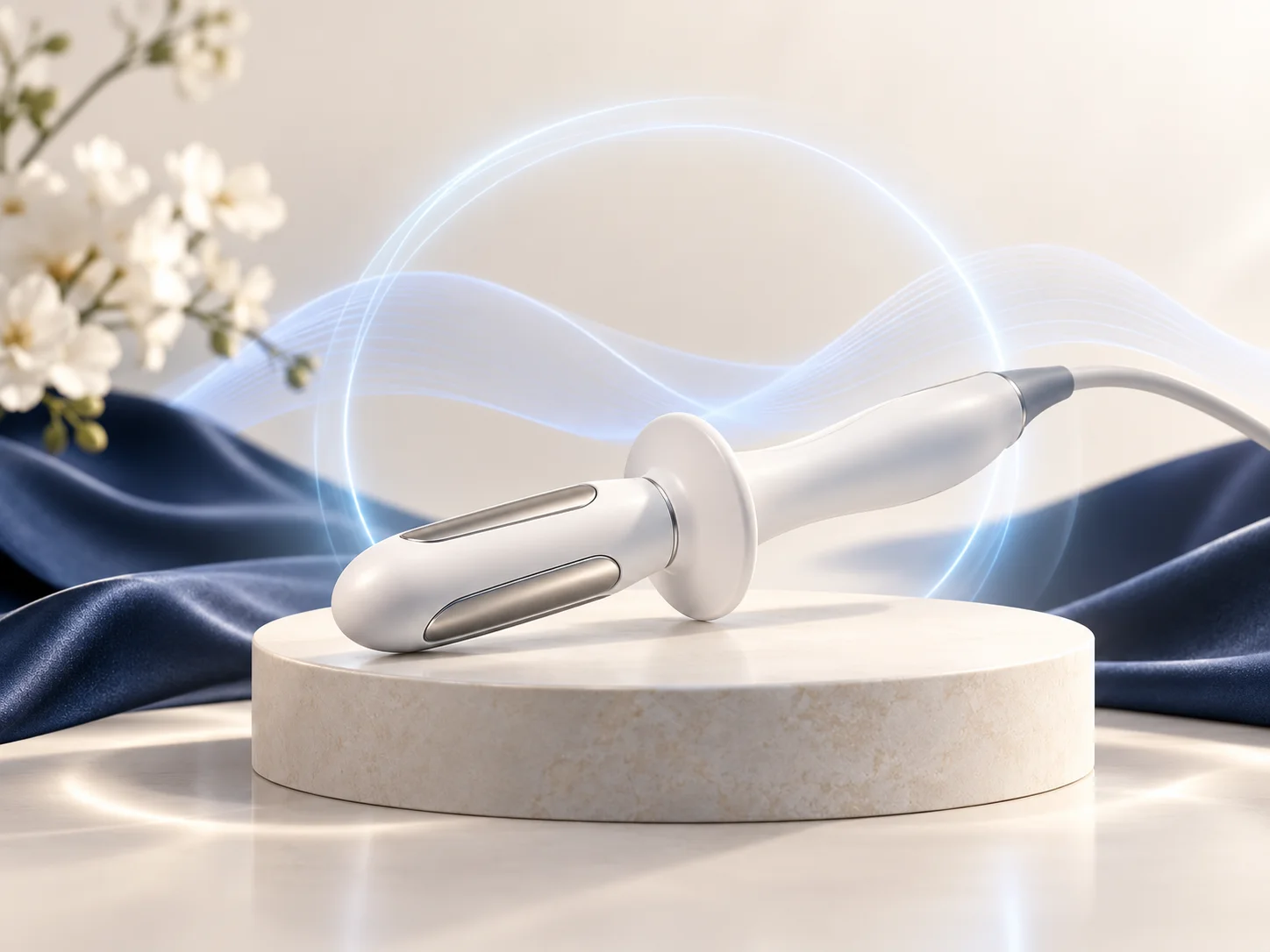
vTone uses controlled electrical stimulation through an intravaginal applicator to activate pelvic floor muscles.
It is the foundational technology in both proposed LPWWC programs.
Your clinical team determines whether this treatment is appropriate based on your symptoms, medical history, and individual needs.
Electrical stimulation is distinct from radiofrequency treatment. Individual suitability requires clinical evaluation.
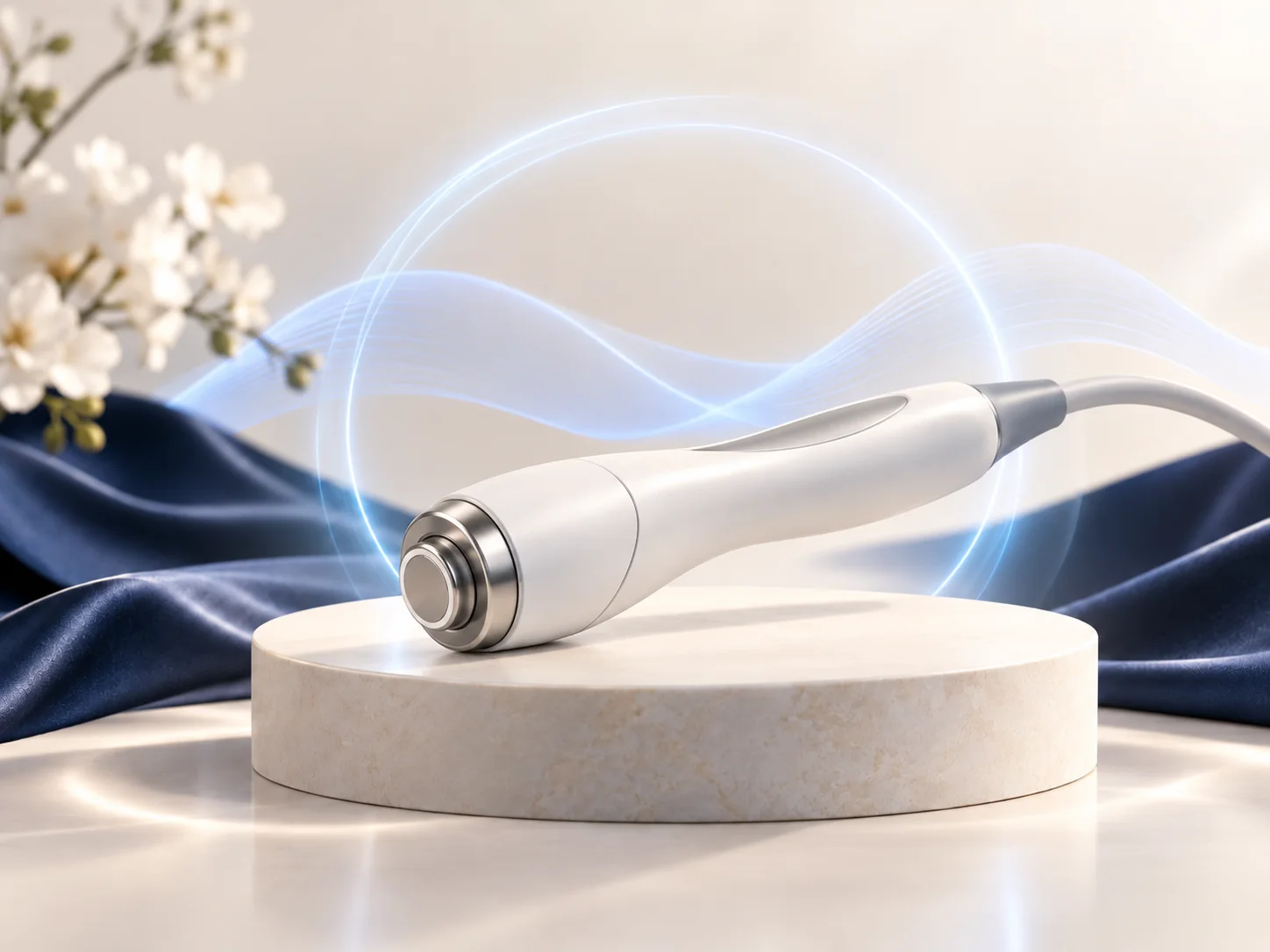
FormaV uses controlled radiofrequency energy to warm vaginal and vulvar tissues.
Unlike vTone, which stimulates pelvic floor muscles, FormaV is a tissue-directed treatment.
It is included in the proposed combined program only when your physician determines that additional treatment is appropriate.
It is not a substitute for other indicated pelvic-floor or gynecologic care. These technologies are not interchangeable and do not share identical device indications.
Device images are illustrative artwork, not manufacturer photographs. Published studies use different populations and protocols; they do not guarantee results or validate this proposed program for every patient.
Learn what published research has examined, what the findings suggest, and where important questions remain.
Electrical-stimulation research and combined radiofrequency research are not interchangeable. The proposed six vTone + three FormaV schedule is not the same regimen as the prospective combined-treatment study.
Studied women unable to contract their pelvic-floor muscles voluntarily, using weekly electrical stimulation over eight weeks. It did not test radiofrequency or LPWWC’s proposed regimen.
Reviews electrical-stimulation trials with differing methods. It does not establish one universal treatment schedule or evidence specific to the combined program.
Compares nonimplantable electrical-stimulation approaches. Electrical stimulation and radiofrequency are different technologies; evidence for one cannot simply be applied to the other.
Used three RF and electrical-stimulation treatments two weeks apart, together with education and pelvic-floor rehabilitation. It cannot isolate each component’s contribution. LPWWC’s proposed six vTone plus three FormaV program is an adaptation, not the identical published protocol.
The record classifies this as a nonimplantable electrical continence device. A 510(k) substantial-equivalence decision is not FDA approval or a promise of patient results; device intended use and individual suitability still require clinical review.
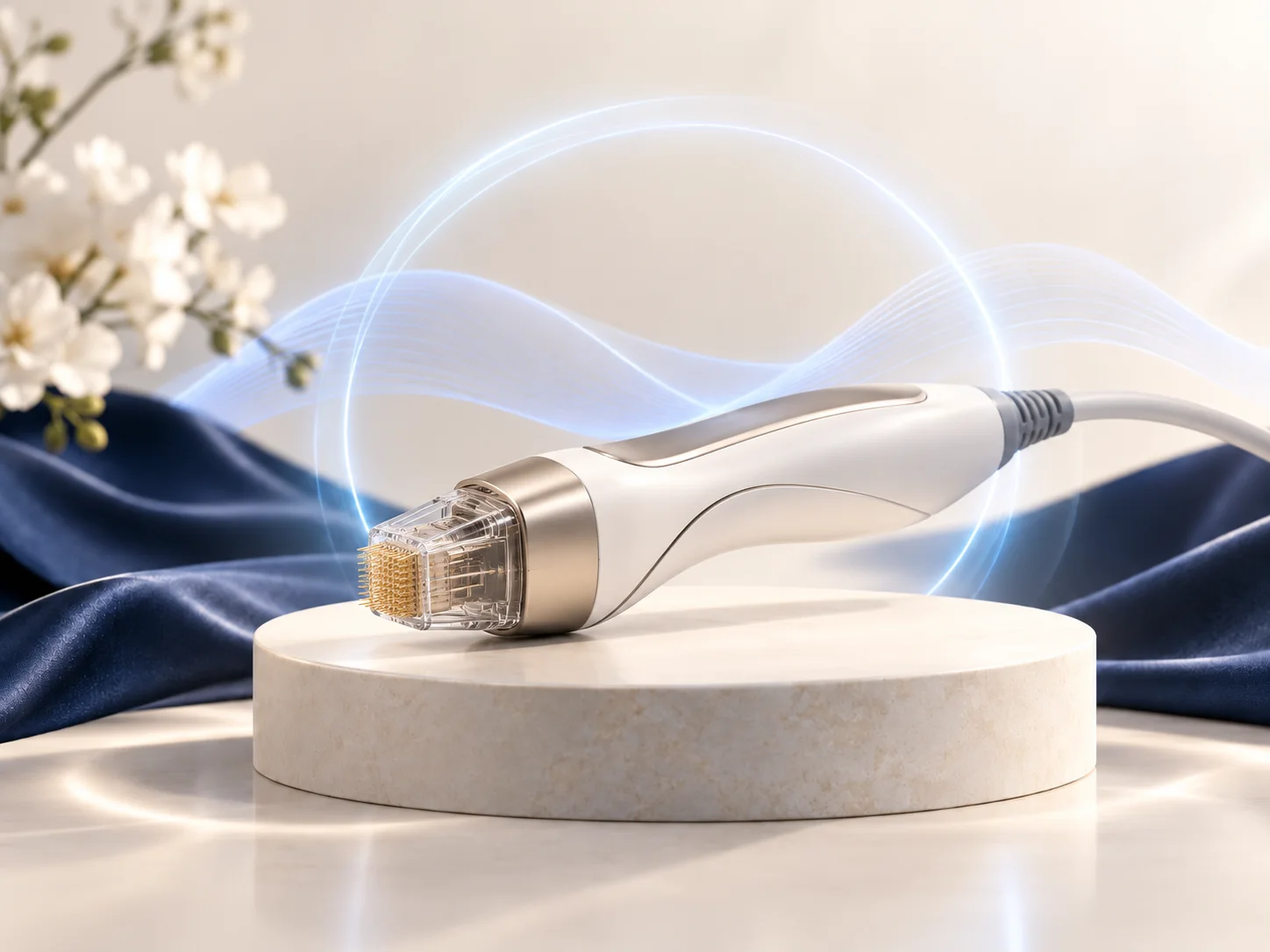
Sometimes, a clinical evaluation or follow-up identifies a need to discuss treatment beyond the initial program.
If appropriate, your physician may recommend a separate tissue-directed treatment.
Morpheus8V uses fractional radiofrequency microneedling for tissue-directed treatment.
It is not included in either bladder control program and is considered separately when clinically appropriate.
Your physician will discuss whether it’s suitable for you, what treatment may involve, and any additional cost before proceeding.
Any treatment count, interval and separate quote require clinical review. Not a third membership or a required upgrade.
Discuss Additional OptionsEveryone responds differently.
After your initial treatment series, your clinician will review your progress and help determine whether follow-up, additional evaluation, or further care may be appropriate.
If your symptoms have improved, discuss your progress, follow-up needs, and whether any maintenance care makes sense.
If you’ve noticed some change but still have concerns, your clinician can reassess your response and discuss appropriate next steps.
If treatment hasn’t helped as expected, your clinician can revisit possible causes, consider other options, and determine whether additional evaluation is needed.
Your next step is based on your individual response, not an automatic schedule of additional procedures.
Explore six free draft guides covering bladder health, pelvic floor function, treatment options, and what to expect before and after care.
Read online at your own pace, or request a downloadable copy to keep.
Complete draft collection · clinical and operational approval pending.

Recognize different symptom patterns, understand evaluation and explore established care options.
Read Free Online
A clear introduction to support, coordination, conservative care and everyday terminology.
Read Free Online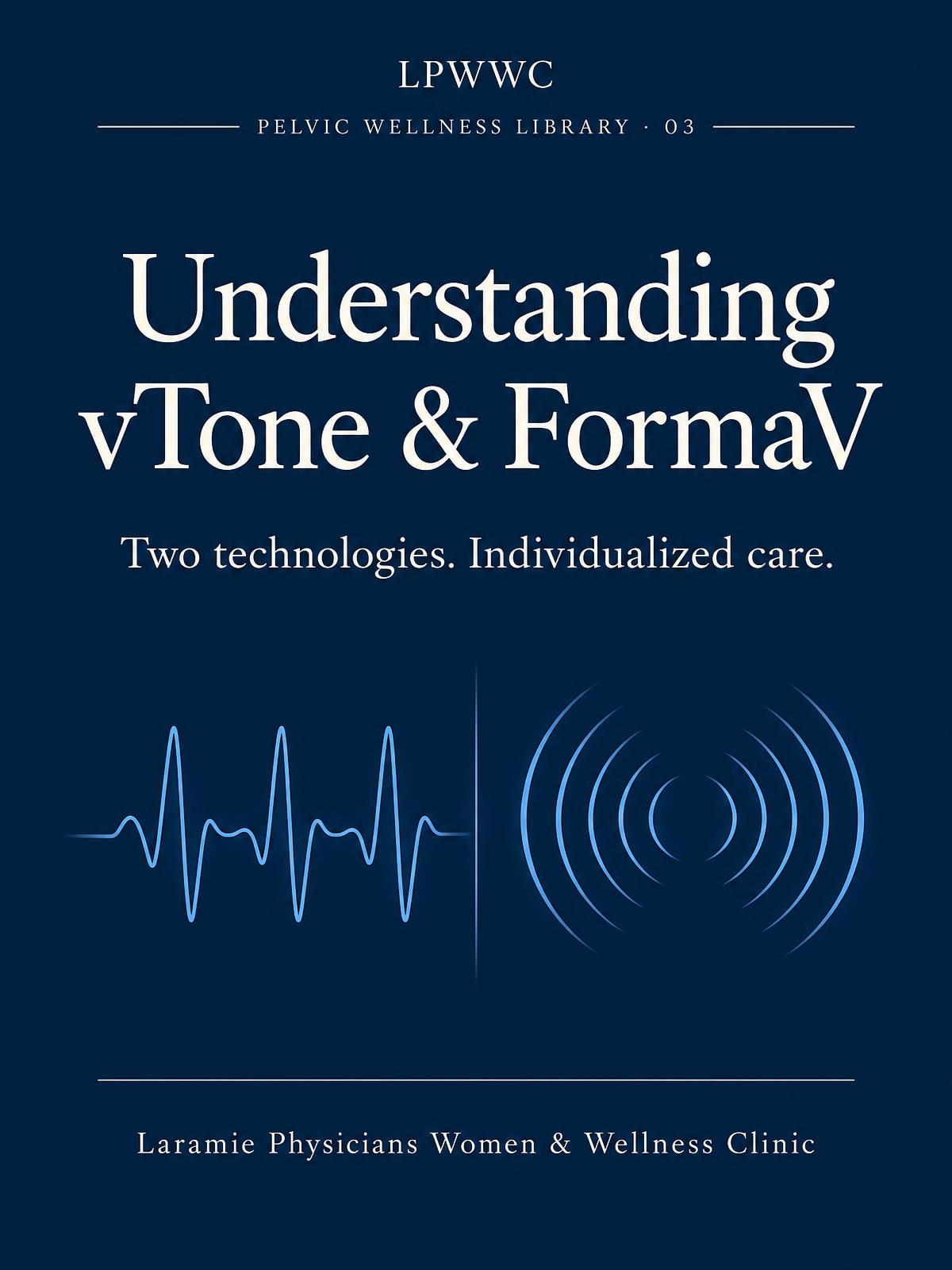
Distinguish electrical stimulation from radiofrequency, with evidence and regulatory context.
Read Free Online
Compare proposed program costs, initial treatment schedules and reassessment.
Read Free Online
Practical questions about evaluation, comfort, privacy and individualized preparation.
Read Free Online
A useful companion for follow-up conversations, safety questions and next steps.
Read Free Online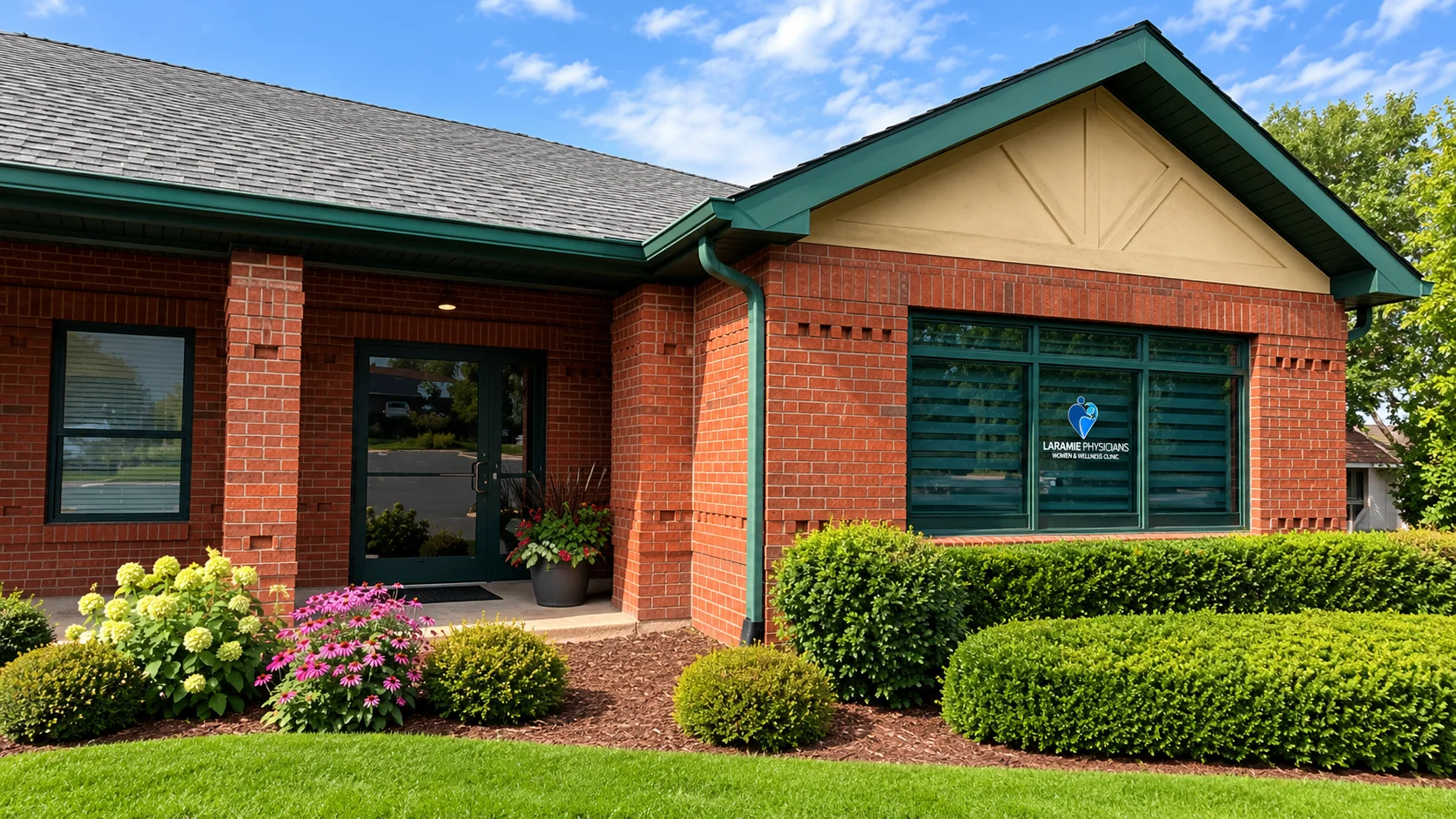
Dr. Travis Klingler and the LPWWC team in Laramie are your point of contact for questions about pelvic wellness and the proposed programs.
1277 N 15th St, Laramie, WY 82072
Proposed program details are educational. Final clinical protocols, pricing and agreement terms require approval.
Bladder Control proposes vTone pelvic-floor electrical stimulation. Bladder + Pelvic Restore adds FormaV radiofrequency treatment when the physician considers tissue-directed treatment appropriate. Your symptoms do not automatically determine which program is suitable.
Bladder Control proposes 6 vTone treatments. Bladder + Pelvic Restore proposes 6 vTone plus 3 FormaV treatments. These are nine modality treatments, not necessarily nine separate appointments; some may share a visit. Final inclusions require clinical approval.
The proposed initial vTone schedule is once weekly over six weeks. For the combined program, FormaV is proposed at Weeks 1, 3 and 5. These are draft schedules, not a universal protocol; the clinical team must approve your actual plan.
Proposed Bladder Control pricing is $499 enrollment plus $99 per month for 12 months. Proposed Bladder + Pelvic Restore pricing is $799 enrollment plus $179 per month for 12 months. Enrollment is separate; monthly payments are proposed to begin 30 days after enrollment. Final prices and agreement terms await approval; online purchase is unavailable.
The proposed first-year totals are $1,687 for Bladder Control and $2,947 for Bladder + Pelvic Restore. Each total includes one-time enrollment plus twelve monthly payments. Optional separately quoted care is not included.
The proposed agreement pays for a defined annual program through separate enrollment and twelve fixed monthly payments. Initial treatment can finish before those payments do. It is not a monthly treatment entitlement or a freely cancelable month-to-month plan. Final written terms must be approved before enrollment.
No. MorpheusV / Morpheus8V is an optional physician-selected treatment, not a third standard program or an automatic inclusion. Any recommendation, treatment schedule and separate quote require clinical review.
After your initial treatment series, your LPWWC clinician will review how you’ve responded and whether any symptoms remain. Some patients may only need appropriate follow-up. Others may benefit from further evaluation or a discussion about additional treatment. Any future care, including maintenance or optional procedures, is considered separately based on your needs and the clinician’s recommendations. There is no automatic requirement to continue treatment simply because the initial program has ended.
No. Urinary leakage and pelvic-floor symptoms can have different causes. A clinical evaluation is necessary to decide whether these treatments, another form of care, or further investigation is appropriate. This page does not establish eligibility.
Discuss your response with the clinician. Partial response may prompt a discussion of limited additional treatment and reevaluation. Minimal response calls for clinical reassessment rather than an assumption that more device sessions are the answer. Results are not guaranteed.
A possible follow-up or maintenance model is under clinical review. No maintenance treatment count, price or automatic renewal is confirmed here. The team must approve and explain any future offer before you agree to it.
Answer the preliminary questionnaire on this page to see whether further evaluation may be worth exploring. It is a draft pending clinical approval: it does not diagnose, confirm eligibility, schedule care or accept payment, and your answers are not saved. Whatever your result, enrollment and payment remain unavailable online — contact the clinic or call (307) 745-8991 to discuss next steps.
Explore the two proposed programs. Then talk with the clinic about what is appropriate for you.
Draft only. Clinical and pricing approval pending. No online enrollment or payment.